
How Much Energy Is Consumed by an Air Compressor — and How Can We Help It?
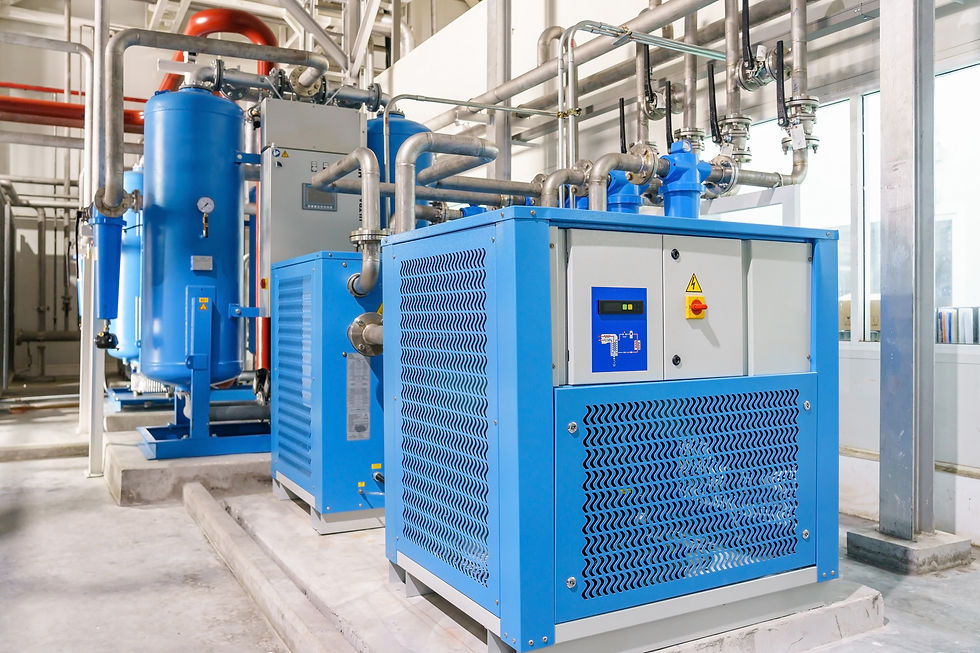
When it comes to powering tools, equipment, and processes, compressed air is one of the most essential utilities in any industrial or commercial operation. But what many people don’t realize is that air compressors are also one of the biggest energy consumers in a facility.
At SteddyAir, we help businesses understand their air systems - not just to keep them running, but to keep them running efficiently. Let’s take a closer look at how much energy an air compressor really uses, what affects that energy consumption, and what can be done to reduce it.
The True Cost of Compressed Air
On average, air compressors account for 10–30% of a facility’s total energy use. In some plants, that number can climb even higher.
To put it in perspective:
A 100-horsepower compressor can cost upwards of $50,000 per year in electricity if it runs continuously.
Over the lifetime of a compressor, energy costs can represent up to 70–80% of its total cost of ownership - far more than the initial purchase price.
That means efficiency isn’t just about saving the planet - it’s about protecting your bottom line.
What Impacts an Air Compressor’s Energy Use?
Several factors determine how much power your compressor consumes:
1. Compressor Type – Rotary screw compressors tend to be more efficient for continuous use, while piston compressors are better suited for intermittent duty.
2. Operating Pressure – Every 2 PSI increase in pressure can raise energy use by about 1%. Running higher than necessary wastes energy.
3. Air Leaks – Even small leaks can add up to thousands of dollars in wasted energy every year.
4. Maintenance and Filters – Dirty filters, worn seals, and neglected maintenance can cause compressors to work harder and use more energy.
5. Demand Fluctuations – Running large compressors when demand is low wastes power. Proper system control or storage can reduce cycling losses.
How SteddyAir Helps You Save Energy
We know that every facility and system is unique. That’s why we take a system-based approach to improving efficiency. Here’s how we help reduce compressor energy costs:
1. System Audits and Leak Detection - Our team performs compressed air audits to identify energy losses, inefficiencies, and leaks throughout your system. By addressing even small leaks, facilities can save up to 20% in annual energy costs.
2. Preventive Maintenance Programs - Regular service keeps filters clean, pressure settings correct, and components running at peak efficiency. Preventive care can extend equipment life and prevent costly breakdowns.
3. Controls, Data Reporting, Building Systems Integration - Our team specializes in control strategy that operates your system at its peak efficiency while having the ability to constantly monitor and update your system. As well as making your compressed air system more transparent by integrating it into your building management integration.
4. System Optimization - We help you match compressor capacity to actual demand, ensuring you’re not over-pressurizing or wasting air in non-critical areas.
The Bottom Line
Your air compressor is essential - but it doesn’t have to be expensive to operate. With the right attention, maintenance, and optimization, energy consumption can be reduced significantly.
At SteddyAir, we’re committed to helping you get the most out of your compressed air system - keeping your production reliable, your costs down, and your energy use efficient.
Ready to Start Saving Energy?
If you’re unsure how much energy your air compressor is consuming - or where your system could be losing efficiency - we’re here to help.
Get a Free Consultation Today!
Our team will review your setup, walk you through ‘low bearing fruit’ energy saving opportunities and prep your team for the next steps.


Comments